Fostering Leadership and Teamwork in Young Athletes

In the world of sports, the importance of leadership and teamwork cannot be overstated. Young athletes are not just learning how to play a game; they are also developing essential life skills that will serve them well beyond the field or court. Fostering these qualities in young athletes can lead to improved performance, stronger relationships, and a greater sense of community. This blog post will explore effective strategies for nurturing leadership and teamwork among young athletes, providing practical examples and insights along the way.
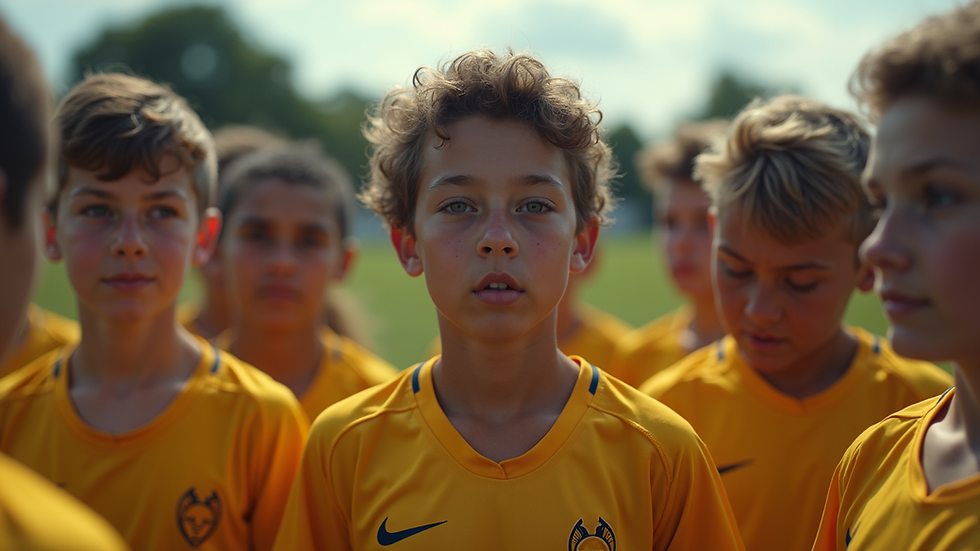
Understanding Leadership in Sports
Leadership in sports is not just about being the best player on the team. It involves guiding, motivating, and inspiring teammates to achieve a common goal. Young athletes can develop leadership skills through various experiences, both on and off the field. Here are some key aspects of leadership in sports:
Characteristics of a Good Leader
Communication Skills: A good leader must be able to communicate effectively with teammates, coaches, and opponents. This includes giving clear instructions, providing feedback, and encouraging others.
Empathy: Understanding the feelings and perspectives of teammates is crucial. A leader should be able to relate to others and support them during challenging times.
Decision-Making: Leaders often need to make quick decisions under pressure. Developing this skill can help young athletes become more confident and decisive.
Accountability: A strong leader takes responsibility for their actions and encourages others to do the same. This fosters a culture of trust and respect within the team.
Developing Leadership Skills
To cultivate leadership skills in young athletes, consider the following strategies:
Encourage Participation in Team Activities: Involve young athletes in team meetings and discussions. This gives them a voice and helps them understand the dynamics of teamwork.
Assign Leadership Roles: Give young athletes opportunities to lead drills, organize practices, or even mentor younger teammates. This hands-on experience is invaluable.
Model Leadership Behavior: Coaches and parents should exemplify strong leadership qualities. Young athletes often learn by observing the adults in their lives.
The Importance of Teamwork
Teamwork is the backbone of any successful sports team. It involves collaboration, trust, and a shared commitment to achieving a common goal. Here’s why teamwork is essential for young athletes:
Benefits of Teamwork
Enhanced Performance: Teams that work well together often outperform those that do not. When athletes understand their roles and support each other, they can achieve greater success.
Social Skills Development: Teamwork helps young athletes develop important social skills, such as communication, conflict resolution, and cooperation.
Building Relationships: Working together fosters strong bonds among teammates, creating a sense of belonging and community.
Resilience: Teams that face challenges together learn to overcome adversity. This resilience is a valuable life skill that extends beyond sports.
Strategies for Promoting Teamwork
To promote teamwork among young athletes, consider implementing the following strategies:
Team-Building Activities: Organize fun, non-competitive activities that encourage collaboration and trust. Examples include obstacle courses, scavenger hunts, or group challenges.
Set Team Goals: Encourage the team to set collective goals. This helps athletes understand the importance of working together to achieve a shared vision.
Celebrate Team Successes: Recognize and celebrate achievements as a team, whether big or small. This reinforces the idea that success is a collective effort.
Practical Examples of Leadership and Teamwork in Action
To illustrate the concepts of leadership and teamwork, let’s explore a few real-life examples of young athletes who have excelled in these areas.
Example 1: The Captains of a Youth Soccer Team
In a local youth soccer league, a group of young athletes was chosen to be team captains. These captains were responsible for leading warm-ups, organizing practices, and motivating their teammates during games. By taking on these leadership roles, they learned to communicate effectively, make decisions under pressure, and support their teammates. As a result, the team not only improved its performance but also developed a strong sense of camaraderie.
Example 2: A Team-Building Retreat
A youth basketball team decided to hold a weekend retreat focused on team-building. The retreat included various activities designed to foster trust and collaboration, such as trust falls, group problem-solving challenges, and team discussions about goals and expectations. By the end of the retreat, the athletes felt more connected to one another and were better equipped to work together during the season.
Example 3: Peer Mentoring Program
A local swim team implemented a peer mentoring program where older swimmers mentored younger ones. This initiative not only helped the younger athletes improve their skills but also allowed the older swimmers to develop their leadership abilities. The mentors learned to communicate effectively, provide constructive feedback, and support their mentees, creating a positive team culture.
Overcoming Challenges in Fostering Leadership and Teamwork
While fostering leadership and teamwork is essential, it is not without its challenges. Here are some common obstacles and strategies to overcome them:
Challenge 1: Individualism
In competitive sports, individual talent can sometimes overshadow the importance of teamwork. To combat this, emphasize the value of collaboration and collective success. Encourage athletes to recognize that their individual contributions are part of a larger team effort.
Challenge 2: Conflict Resolution
Conflicts can arise within teams, leading to tension and decreased performance. Teach young athletes effective conflict resolution strategies, such as open communication, active listening, and compromise. Encourage them to address issues directly and respectfully.
Challenge 3: Varying Skill Levels
Teams often consist of athletes with varying skill levels, which can create frustration. Promote an inclusive environment where athletes support one another, regardless of their abilities. Encourage more experienced athletes to mentor their less experienced teammates.
The Role of Coaches and Parents
Coaches and parents play a crucial role in fostering leadership and teamwork among young athletes. Here are some ways they can contribute:
Coaches
Create a Positive Environment: Foster a culture of respect, support, and encouragement within the team. This sets the tone for collaboration and teamwork.
Provide Constructive Feedback: Offer specific, actionable feedback to help athletes improve their skills and develop their leadership abilities.
Encourage Open Communication: Create an environment where athletes feel comfortable expressing their thoughts and concerns. This promotes trust and strengthens team dynamics.
Parents
Support Team Activities: Encourage your child to participate in team events and activities. This helps them build relationships with their teammates.
Model Positive Behavior: Demonstrate teamwork and leadership qualities in your own life. Young athletes often learn from the examples set by their parents.
Encourage a Growth Mindset: Help your child understand that mistakes are part of the learning process. Encourage them to view challenges as opportunities for growth.
Conclusion
Fostering leadership and teamwork in young athletes is essential for their development both on and off the field. By implementing effective strategies, providing support, and creating a positive environment, coaches and parents can help young athletes thrive. The skills they develop through sports will not only enhance their performance but also prepare them for future challenges in life. Encourage young athletes to embrace their roles as leaders and team players, and watch them flourish in their athletic journeys.


Comments